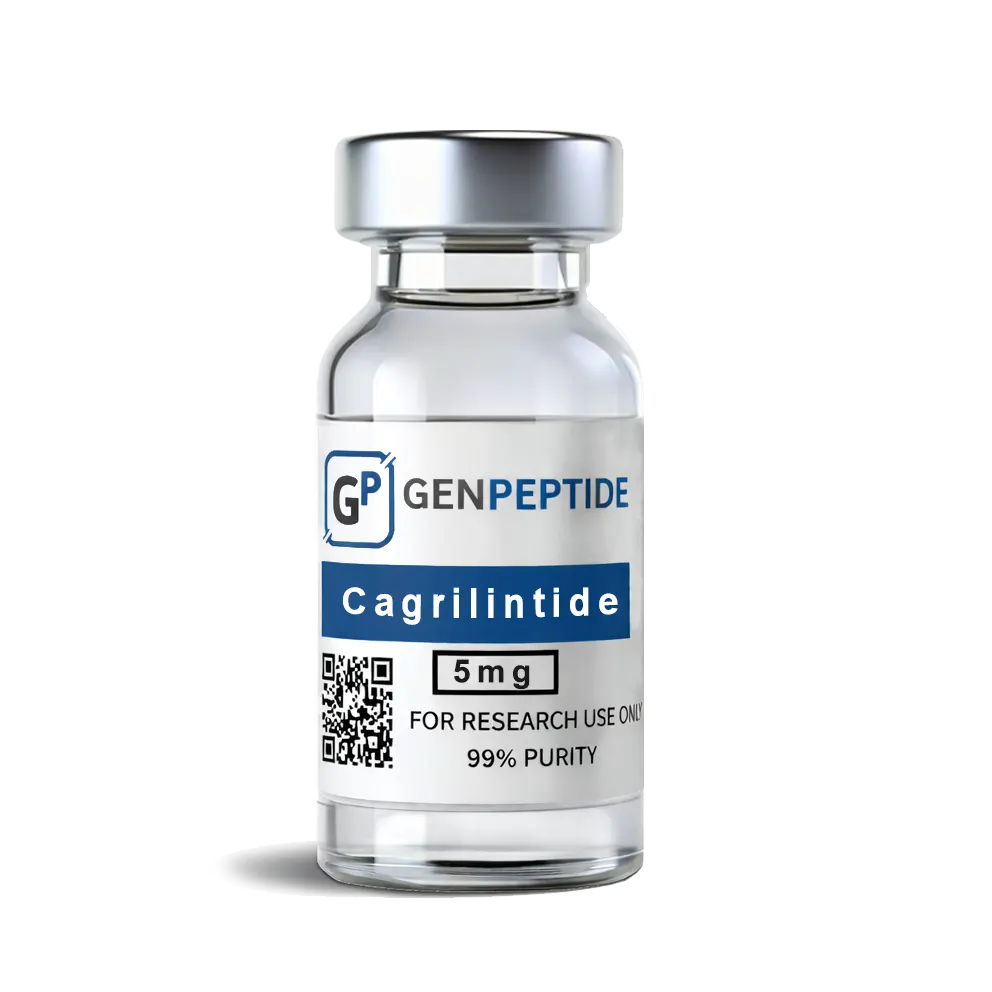
Cagrilintide 5mg: Research Overview, Mechanism, and Scientific Insights (USA Focus)
Introduction to Cagrilintide
Cagrilintide is an investigational long-acting amylin analog that has gained significant attention in metabolic and obesity-related research. It is being studied for its potential role in appetite regulation, weight management, and metabolic signaling pathways.
Unlike widely available medications, Cagrilintide is not approved for general medical use in the United States and remains within clinical research and development pipelines. As interest in metabolic peptides increases, researchers and professionals continue to evaluate its mechanisms and therapeutic potential.
This article provides an educational overview of Cagrilintide 5mg, including how it works, its research applications, safety considerations, and regulatory status in the USA.
What is Cagrilintide?
Cagrilintide is a synthetic analog of amylin, a hormone co-secreted with insulin by pancreatic beta cells. Amylin plays a key role in:
- Regulating gastric emptying
- Controlling post-meal glucose spikes
- Promoting satiety (feeling of fullness)
Cagrilintide is engineered to have a longer half-life than natural amylin, allowing sustained activity in research settings.
Because of this extended duration, it is being studied as a potential tool in weight management research, often in combination with other metabolic agents.
Mechanism of Action
Cagrilintide works primarily through pathways associated with appetite regulation and energy intake reduction. Key mechanisms include:
1. Appetite Suppression
Cagrilintide acts on receptors in the brain involved in hunger signaling, helping reduce food intake in research models.
2. Delayed Gastric Emptying
It slows the rate at which food leaves the stomach, contributing to prolonged satiety after meals.
3. Central Nervous System Effects
It interacts with appetite-regulating centers in the hypothalamus, influencing feeding behavior and energy balance.
4. Synergistic Research Use
In clinical research, it has been studied alongside GLP-1 receptor agonists to evaluate combined metabolic effects.
Research Applications
Cagrilintide is primarily studied in the context of:
- Obesity research
- Metabolic syndrome studies
- Appetite regulation mechanisms
- Combination therapy research with incretin-based agents
Early-stage clinical trials suggest potential for meaningful effects on body weight reduction when evaluated under controlled conditions. However, these findings are still under investigation and not yet approved for public medical use.
Dosage and Laboratory Context (Research Only)
The term “5mg” commonly refers to research-grade labeling or vial quantity used in laboratory environments. It does not represent an approved or standardized human dosage.
Important considerations:
- There is no FDA-approved dosing protocol for Cagrilintide outside clinical trials
- Any handling is strictly limited to licensed research environments
- Human use outside trials is not sanctioned in the United States
Safety and Side Effects in Studies
In clinical research settings, observed effects of Cagrilintide 5mg have included:
- Nausea
- Mild gastrointestinal discomfort
- Reduced appetite
- Temporary changes in digestion rate
Because it is still under investigation, the full safety profile is not completely established. Long-term effects remain under evaluation.
Legal Status in the United States
In the USA, Cagrilintide 5mg remains an investigational compound. This means:
- It is not approved by the FDA for general medical treatment
- It is only legally available through regulated clinical trials
- It is not intended for commercial sale for human consumption
Any discussion, handling, or study must comply with federal research regulations.
Why Cagrilintide Is Gaining Attention
Scientific interest in Cagrilintide 5mgcontinues to grow due to:
- Rising global obesity rates
- Demand for multi-target metabolic therapies
- Advances in peptide-based drug design
- Potential synergy with GLP-1 therapies
Researchers are particularly interested in its long-acting properties and appetite-suppressing mechanisms.
Ethical and Research Compliance Considerations
For laboratories and research organizations, strict compliance is essential:
- Use only in approved research protocols
- Ensure proper institutional oversight
- Follow FDA and ethical guidelines
- Avoid unauthorized human administration
Responsible research practices are critical to advancing understanding while maintaining safety standards.
Conclusion
Cagrilintide 5mg represents an important area of metabolic and obesity-related research, offering insight into appetite regulation and long-acting amylin analogs. While early findings are promising, it remains an investigational compound not approved for public medical use in the United States.
For researchers, understanding its mechanisms, legal status, and safety profile is essential before considering any laboratory evaluation.
As peptide science continues to evolve, compounds like Cagrilintide 5mgmay contribute significantly to future therapeutic developments—but only within regulated and approved clinical frameworks.
Reviews
There are no reviews yet.